Diabetes Stem Cell Therapy: A Promising Approach to Diabetes Management
Diabetes, a chronic metabolic disorder characterized by high blood sugar levels, affects millions of people worldwide. Despite the availability of various medications and lifestyle interventions, managing diabetes remains a challenge for many patients. Recently, Diabetes Stem Cell Therapy has emerged as a revolutionary approach, offering hope for more effective and long-lasting treatment solutions.
Understanding Diabetes
Diabetes is primarily classified into two types: Type 1 and Type 2. Type 1 diabetes occurs when the body’s immune system attacks insulin-producing beta cells in the pancreas, leading to little or no insulin production. On the other hand, Type 2 diabetes is characterized by insulin resistance, where the body’s cells fail to respond effectively to insulin. Over time, both types can lead to severe complications such as kidney failure, cardiovascular disease, nerve damage, and vision problems.
Traditional treatment methods include insulin injections, oral medications, and lifestyle modifications. While these strategies can manage symptoms, they do not address the underlying cause of the disease—damaged or dysfunctional pancreatic beta cells. This is where Diabetes Stem Cell Therapy shows significant potential.
What is Diabetes Stem Cell Therapy?
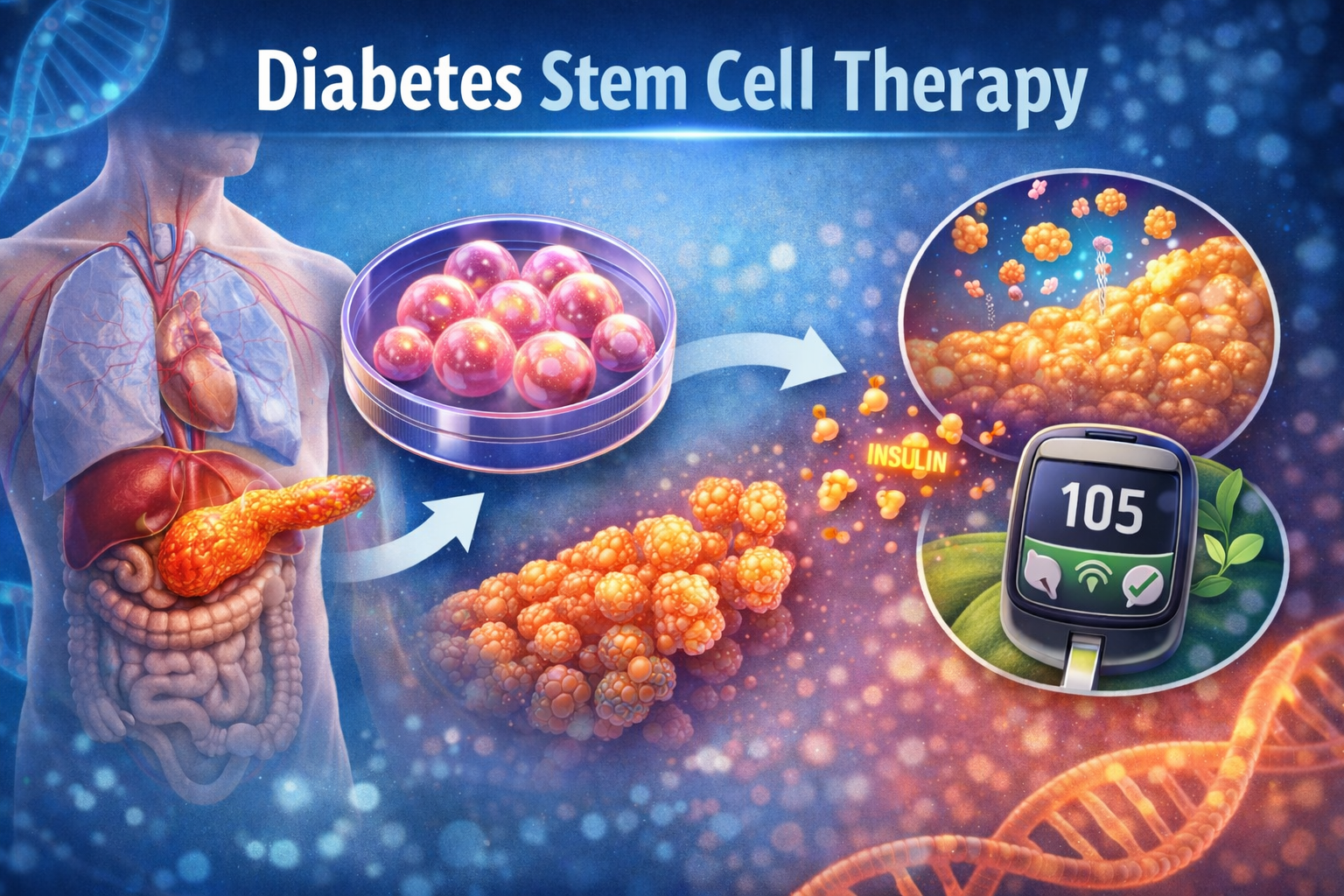
Diabetes Stem Cell Therapy involves the use of stem cells to repair, regenerate, or replace damaged pancreatic cells. Stem cells are undifferentiated cells with the unique ability to transform into various specialized cells. In the context of diabetes, stem cells can be directed to become insulin-producing beta cells, restoring the body’s natural ability to regulate blood sugar levels.
Several types of stem cells are used in therapy, including:
Embryonic Stem Cells (ESCs): These cells can develop into any cell type in the body, including pancreatic beta cells.
Mesenchymal Stem Cells (MSCs): Derived from bone marrow or adipose tissue, MSCs have anti-inflammatory properties and can support the regeneration of pancreatic tissue.
Induced Pluripotent Stem Cells (iPSCs): Adult cells reprogrammed into a stem cell-like state can be converted into beta cells for therapeutic use.
How Diabetes Stem Cell Therapy Works
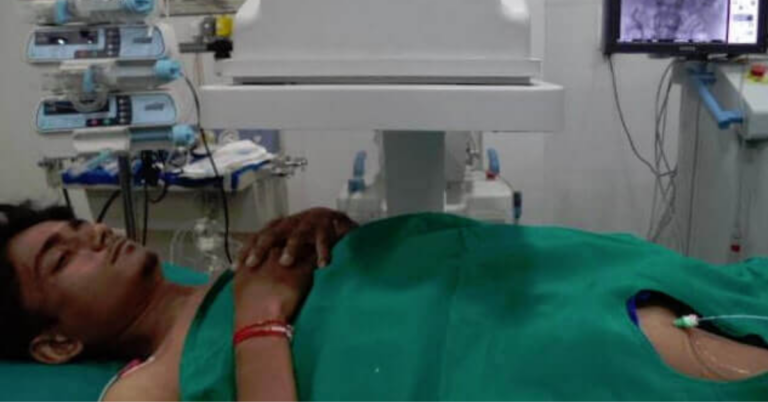
The process of Diabetes Stem Cell Therapy typically involves several steps. First, stem cells are harvested from a suitable source. Next, they are cultured and sometimes genetically modified in a laboratory to increase their ability to develop into insulin-producing cells. Once prepared, these cells are introduced into the patient’s body, usually via intravenous injection or targeted transplantation into the pancreas.
Once in the body, the stem cells can integrate into the pancreas, differentiate into functional beta cells, and begin producing insulin. This restoration of pancreatic function can significantly reduce or even eliminate the need for external insulin therapy in some patients.
Benefits of Diabetes Stem Cell Therapy
Regeneration of Pancreatic Cells: Unlike traditional treatments, stem cell therapy addresses the root cause of diabetes by repairing or replacing damaged beta cells.
Improved Blood Sugar Control: Restored insulin production can lead to better regulation of blood glucose levels.
Reduced Risk of Complications: By maintaining more stable blood sugar levels, stem cell therapy may lower the risk of long-term complications associated with diabetes.
Potential for Long-Term Remission: Early studies suggest that some patients may achieve extended periods of remission, reducing dependence on medications.
Current Research and Clinical Trials
Numerous preclinical studies and clinical trials are investigating the efficacy of Diabetes Stem Cell Therapy. Research has shown promising results in both Type 1 and Type 2 diabetes patients. For instance, patients receiving stem cell transplants have reported improved insulin sensitivity and reduced reliance on insulin injections. Scientists are also exploring combination therapies, where stem cells are paired with immunomodulatory treatments to prevent immune system attacks on the newly generated beta cells.
Despite these advancements, researchers emphasize that stem cell therapy for diabetes is still in an experimental stage. More extensive clinical trials are required to confirm its safety, long-term effectiveness, and scalability.
Risks and Considerations
While Diabetes Stem Cell Therapy holds immense promise, it is not without risks. Potential concerns include:
Immune Rejection: The body may reject transplanted stem cells, especially if they are not derived from the patient.
Tumor Formation: Uncontrolled growth of stem cells can sometimes lead to tumor development.
Limited Accessibility: Currently, stem cell therapy is expensive and available only in specialized medical centers.
Patients considering stem cell therapy should consult with qualified endocrinologists and medical professionals to understand the benefits, risks, and suitability for their specific condition.
The Future of Diabetes Treatment
The emergence of Diabetes Stem Cell Therapy marks a new era in diabetes management. With continuous advancements in stem cell biology, genetic engineering, and regenerative medicine, there is hope that this therapy could become a mainstream treatment option. In the future, patients may achieve long-term remission, improved quality of life, and reduced dependency on conventional medications.
Conclusion
Diabetes Stem Cell Therapy offers a promising alternative to traditional diabetes treatments. By targeting the root cause of the disease and promoting the regeneration of insulin-producing beta cells, it has the potential to transform the lives of millions of patients worldwide. While more research is necessary, ongoing clinical trials provide hope that stem cell therapy could become a cornerstone in the fight against diabetes.